 Carlo Leopardi
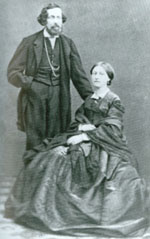 Second born to Monaldo and Adelaide Antici, Carlo was born at Recanati in 1799 and died there in 1878. Carlo and Paolina, being almost the same age, were the inseparable companions of play and the early studies of Giacomo (there followed a further seven children but only two survived, Luigi and Pierfrancesco).
Carlo was in particular for Giacomo, above all in youth, a true friend, as well as a brother (“è un altro me stesso” or “He is another myself” he wrote to Giordani on 26th September 1817): as testified to by the many letters sent him, in particular during his stay in Rome 1822-23. These are letters in which Giacomo opens his heart to his brother, confiding him, communicating him his judgements on the city and the Romans (and in particular Roman women), sharing with him his sensations, as in the famous letter of 20th February 1823 on his visit to Tasso’s tomb, and addressing him frequent and vibrant requests for affection (“Senti, Carlo mio, se potessi esser con te, crederei di potere anche vivere, riprenderei un poco di lena e di coraggio, spererei qualche cosa, e avrei qualche ora di consolazione. ... Amami, per Dio. Ho bisogno d’amore, amore, amore, fuoco, entusiasmo, vita”/ “Listen my dear Carlo, if I could be with you, I would even believe I could live, I would get back some energy and courage, and I would have a few hours of consolation. ... Love me, by God. I need love, love, fire, enthusiasm, life!”, he wrote on 25th November 1822).
In 1829, Carlo, against the will of the family, married his cousin Paolina Mazzagalli, and left the paternal home. Something like a year before, the exchange of letters with Giacomo had almost dried up; and the last letter Giacomo wrote him and we still have was in 1831.
Widowed, Carlo got married a second time, to Teresa Teja, who in 1882 published, basing herself on stories he had told her, some Note biografiche sopra Leopardi e la sua famiglia/Biographical notes on Leopardi and his family (Dumolard, Milan), addressed at defending the family against accusations of indifference for Giacomo’a fate (it should here be recalled that in 1880 Sette anni di sodalizio con Giacomo Leopardi/Seven years of friendship with Leopardi by Antonio Ranieri had been published).





